
Basket of Discipline
Rules and procedures for the Saá¹…gha — monks and nuns — plus the origin stories behind each rule. A casebook of communal harmony in a large spiritual community.
An in-depth study of the PÄli Canon: the life that shaped it, the teachings it carries, the message it presses upon us, and factual stories preserved in early Buddhist sources.
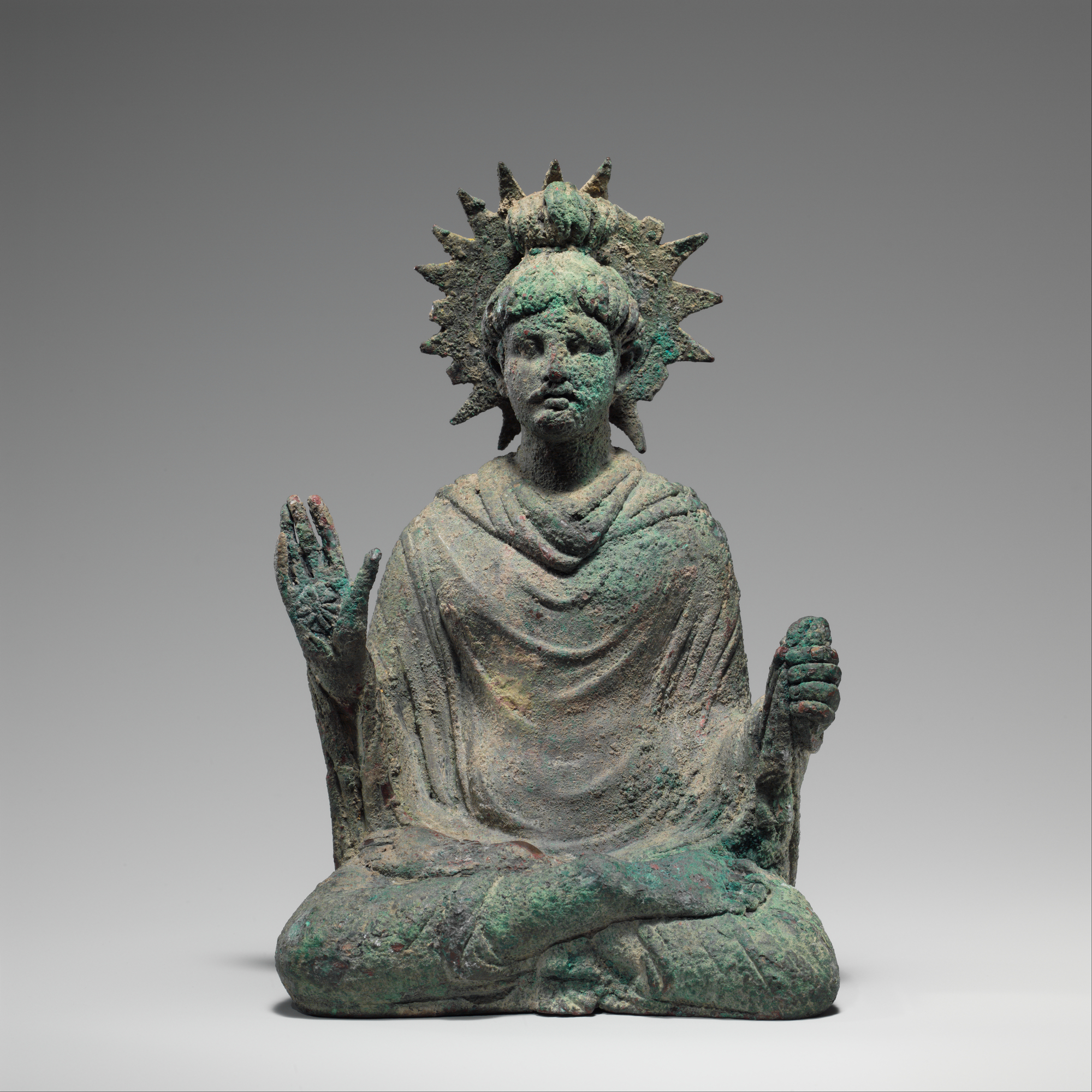
Tipiá¹aka (PÄli) or Tripiá¹aka (Sanskrit) means “three baskets.” It is the canonical collection that forms the doctrinal foundation of TheravÄda Buddhism — not a single book, but a vast library of monastic discipline, discourses, and systematic analysis of mind and matter.
Access to Insight, maintained by the Barre Center for Buddhist Studies, describes it as the collection of primary PÄli-language texts that “form the doctrinal foundation of Theravada Buddhism,” together with later commentaries and chronicles that complete classical TheravÄda literature. Tipitaka overview (Access to Insight).
Scholarly overviews place the same three-fold structure at the centre of early Buddhist scripture: discourses (sutta/sÅ«tra), monastic discipline (vinaya), and higher teachings (abhidhamma/abhidharma). See Alice Collett’s overview in Buddhist Scriptures: An Overview (University of Edinburgh): PDF.
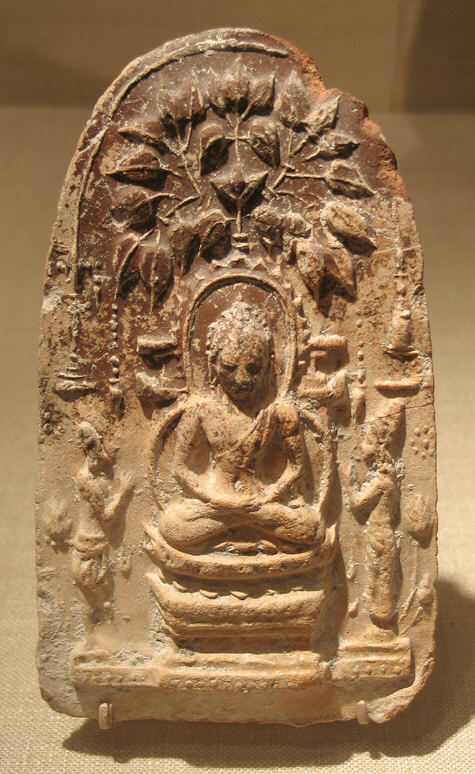
The Tipiá¹aka is inseparable from the life of Siddhattha Gotama — the Buddha — whose awakening and forty-five years of teaching supply the living centre of the Sutta and Vinaya collections.
Traditional narrative describes a prince who left palace life, practised extreme austerities, then abandoned both sensual indulgence and self-mortification for a middle way. Under the Bodhi tree he attained awakening; at Isipatana near VÄrÄṇasÄ« he taught the first discourse that “set the Wheel of Dhamma in motion.”
That first teaching is preserved as the Dhammacakkappavattana Sutta (SN 56.11). Translation: Thanissaro Bhikkhu, Access to Insight.
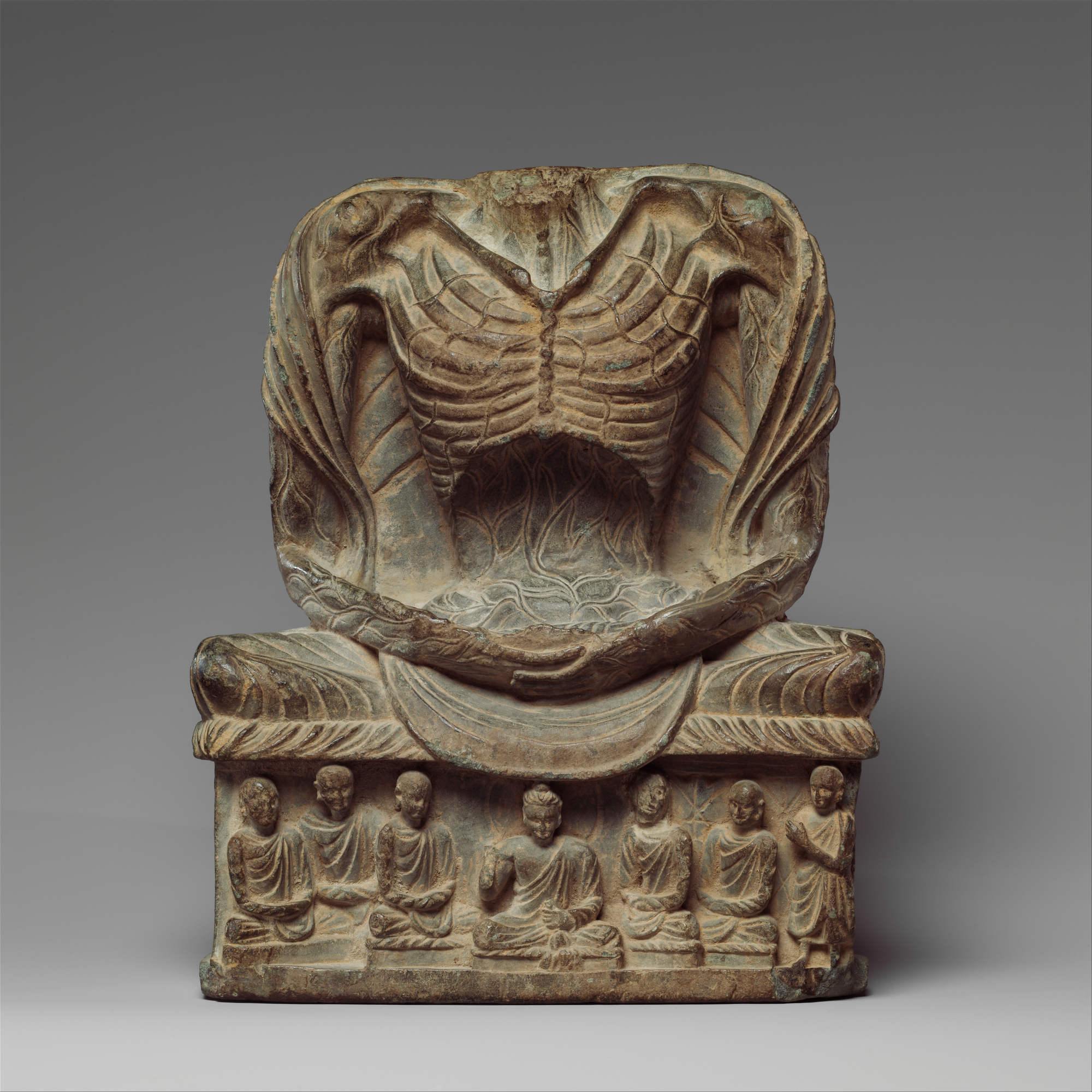
“Avoiding both of these extremes, the middle way realized by the Tathagata — producing vision, producing knowledge — leads to calm, to direct knowledge, to self-awakening, to Unbinding.”
— SN 56.11, tr. Thanissaro Bhikkhu
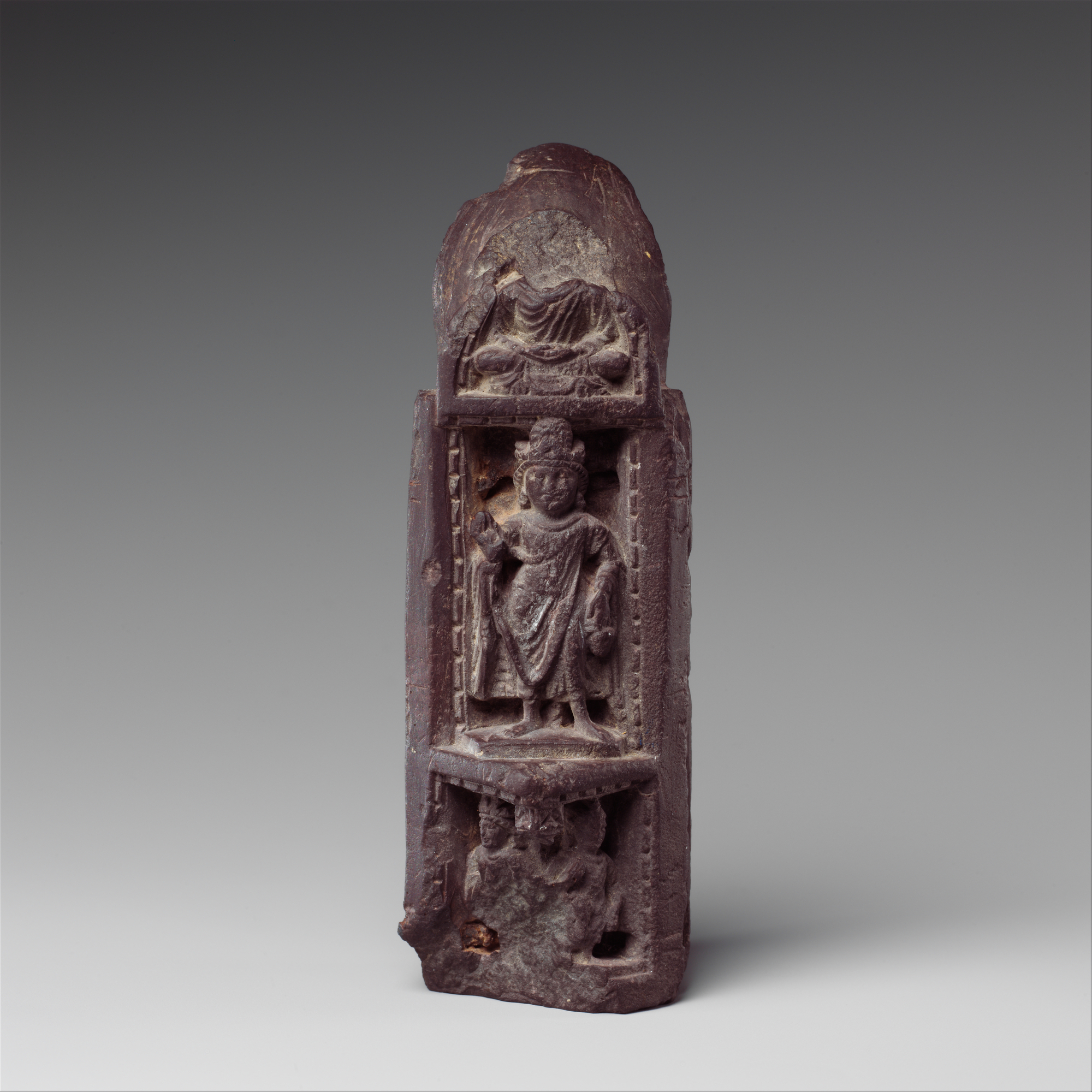
“Basket” (piá¹aka) suggests receptacles that hold and carry the teaching. Together they organise discipline, discourse, and deep analysis.
Rules and procedures for the Saá¹…gha — monks and nuns — plus the origin stories behind each rule. A casebook of communal harmony in a large spiritual community.
Discourses attributed to the Buddha and close disciples. Organised into five nikÄyas: DÄ«gha, Majjhima, Saṃyutta, Aá¹…guttara, and Khuddaka (Dhammapada, TherÄ«gÄthÄ, JÄtaka, and more).
A systematic reworking of doctrinal principles into a framework for investigating mind and matter — impersonal processes unfolding moment to moment.
University research guides note that the PÄli Canon comprises some fifty-five printed volumes in the original language (University at Buffalo). Kenyon College’s outline lists the five nikÄyas and seven Abhidhamma books: Buddhist Canons.
Across thousands of pages, a few structures recur: the Four Noble Truths, the Noble Eightfold Path, dependent origination, ethical precepts, and training in stillness and insight.
Declared in SN 56.11 at Isipatana. “Stress” (dukkha) names the friction of conditioned existence — birth, aging, death, separation, and the five clinging-aggregates.
Birth, aging, death; sorrow; not getting what one wants; in short, the five clinging-aggregates.
Craving that makes for further becoming — for sensual pleasure, for becoming, for non-becoming.
The remainderless fading and cessation of that craving — release, Unbinding (nibbÄna).
The Noble Eightfold Path: right view, resolve, speech, action, livelihood, effort, mindfulness, concentration.
Later summarisations group the path under sÄ«la (ethical conduct), samÄdhi (collectedness of mind), and paÃ±Ã±Ä (wisdom). The Vinaya emphasises communal ethics; many suttas teach meditation and discernment; the Abhidhamma analyses the mind’s building blocks with forensic care.
“And while this explanation was being given, there arose to Ven. Kondañña the dustless, stainless Dhamma eye: Whatever is subject to origination is all subject to cessation.”
— SN 56.11; Kondañña becomes AññÄ-Kondañña — “Kondañña who knows”
Strip away scholastic scaffolding and a human message remains: suffering has causes; those causes can be understood and abandoned; liberation is knowable in this life; and transformation is possible even for those who seem furthest gone.
Discourses repeatedly return to practical liberation — ending the fires of greed, hatred, and delusion. Ethics are the ground that makes clear seeing possible. Meditation is training the mind so that wisdom can cut through clinging.
Alice Collett notes that Buddhist scripture functions as a source of teachings, a means of making karmic merit, and a vehicle of power in religious life (Buddhist Scriptures: An Overview). The stories below press the message into flesh: a killer becomes a healer; a grieving mother learns that death is universal; the first sermon turns a wheel that “cannot be stopped.”
“Factual” here means stories preserved as historical narrative within the early Buddhist textual tradition, cited from primary translations and commentaries. Where a tale lives in commentary rather than the root sutta, that is labelled clearly.
After his awakening, the Buddha went to the Deer Park at Isipatana and addressed the group of five companions who had earlier left him. He taught the middle way between sensual indulgence and self-affliction, then unfolded the Four Noble Truths and the Eightfold Path. While he spoke, Kondañña gained the “Dhamma eye”: whatever is subject to arising is subject to cessation.
This is the foundational teaching event of the Tipiá¹aka’s doctrinal core — the moment tradition marks as the start of the Buddha’s public teaching career.
In King Pasenadi’s realm lived a bandit named Aá¹…gulimÄla — “brutal, bloody-handed,” who wore a garland of fingers. People warned the Buddha not to take that road; he went anyway. When Aá¹…gulimÄla shouted “Stop!”, the Buddha replied: “I have stopped, Aá¹…gulimÄla. You stop” — meaning he had stopped violence toward all beings.
Aá¹…gulimÄla threw away his weapons, went forth as a monk, and later became an arahant. Message: radical transformation is possible; non-harm can tame what weapons cannot; karma is real, yet the path can still be completed.
KisÄ GotamÄ« of SÄvatthÄ« lost her young son. Mad with grief, she carried the corpse from house to house asking for medicine. The Buddha told her to bring a mustard seed from a house that had never known death. At each door she found mustard seed — and also found that death had visited every family. Her madness lifted; she realised impermanence as a truth for every world, went forth as a nun, and later became an arahant.
For centuries the teachings were held in memory and communal recitation. Sinhalese chronicles record that in the reign of King Vaá¹á¹agÄmiṇī Abhaya, monks — seeing deterioration among living beings — had the Tipiá¹aka and its commentaries written down so the Dhamma could endure. Later scholarship commonly places this writing at AluvihÄra in Sri Lanka.
Philologist K. R. Norman notes there is “no evidence for the addition of any complete text to the TheravÄdin canon after the saá¹…gÄ«ti at the Ä€lokavihÄra in the first century B.C.E.”
Together they show the Tipiá¹aka’s moral universe: truth can be taught; violence can end; grief can ripen into wisdom; and the teaching itself is precious enough to memorise for centuries and then commit to writing. Doctrine without story is brittle; story without doctrine is sentiment. The Tipiá¹aka keeps both.
Discourses and rules formed during the Buddha’s lifetime; communal chanting fixed wording in memory.
Tradition holds that after the Buddha’s passing, senior disciples recited Vinaya and Sutta to establish a shared corpus.
Chronicles link the arrival with Mahinda in the AÅ›okan era; PÄli’s north-Indian character supports an Indian origin for the core texts.
DÄ«pavaṃsa / MahÄvaṃsa: Tipiá¹aka and commentaries committed to writing under Vaá¹á¹agÄmiṇī to protect the Dhamma.
Aá¹á¹hakathÄ and later á¹Ä«kÄ literature explain and expand the Tipiá¹aka for teachers and monastics.
Critical editions, translations, and digital libraries such as Access to Insight and SuttaCentral make the baskets readable worldwide.
All interpretive claims on this page are grounded in the sources below. Wikipedia was not used as a source or reference.
Continue with related A–Z guides on Buddhism, meditation, and the wider faith & meaning library.