

Stillness·the quiet that rests and clarifies
In a world built on speed and noise, silence has become a rare skill. Yet it may be the most nourishing thing a mind can do. Information only, not professional advice.
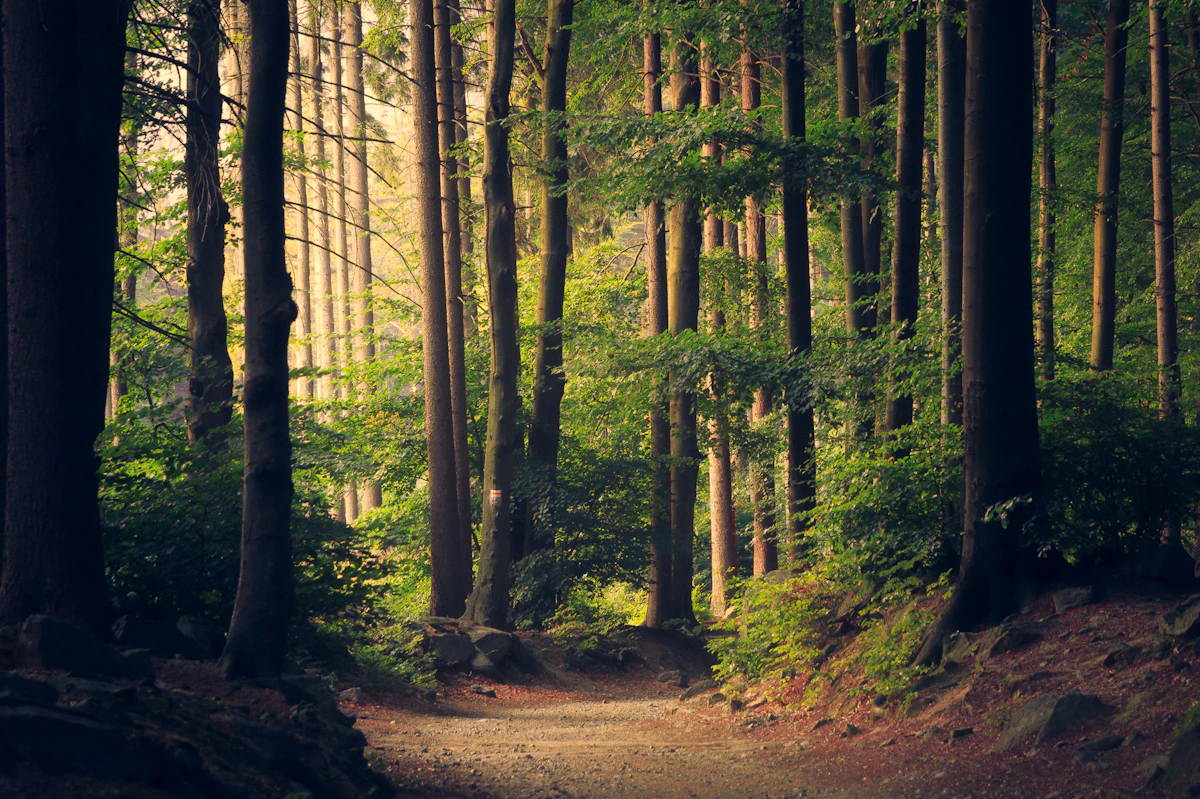
Photo: Igor Ovsyannykov / Unsplash
What stillness is
Stillness is not the absence of thought. It is the absence of reaction to thought — the decision to sit with what is, rather than to fight it, arrange it, or make it mean something yet.
It is a skill, and like any skill, it improves with practice. Your mind will wander; that is not failure. Noticing the wander and gently coming back is the whole exercise. Stillness is not about achieving permanent peace. It is about touching peace long enough to remember it exists.
Silence is not empty. It is crowded with things we usually drown out — your own breath, the small sounds of the world, the thoughts you have been outrunning.
How stillness settles you
Your nervous system registers busyness as threat. Constant movement, noise and task-switching keep you in a low state of alert — which feels normal until you stop and remember what calm feels like.
Sitting still, breathing slowly, with nothing to do, sends a different signal: you are safe. Your heart rate drops. Your jaw loosens. The muscles in your shoulders, which have been braced since morning, release. These are not psychological tricks — they are physiological facts.
Everyday example Ten minutes in the morning before checking your phone is not wasted time. It is the difference between starting the day as a reactor and starting it as a chooser.


Why quiet clarifies
Your mind solves problems in silence. It connects ideas you did not know were related. It surfaces instincts you have been ignoring. It whispers what you actually want beneath what you think you should want.
When there is no noise to outrun, these quiet signals become audible. Some people call this meditation. Others call it a walk in the woods, or an hour with a book, or a long bath. The container does not matter. The silence does.
Insights do not arrive during the hustle. They arrive in the gap after you stop — sometimes hours later, sometimes the next morning. Protect the silence and the clarity will follow.
Stillness as resistance
Doing nothing has become radical. A quiet lunch alone is seen as a failure to network. An afternoon without a screen is a wasted opportunity. An hour of thinking without documenting the thoughts feels like productivity gone missing.
This is not natural. Every wisdom tradition — every culture that survived long enough to become ancient — built silence into the rhythm of life. Prayer, meditation, ritual pauses, sacred rest. Not because they were inefficient, but because they knew: rest is not the opposite of work. Rest is what refuels work.
What is the longest stretch of quiet you have had in the past week? What would it mean to double that — not as luxury, but as basic maintenance?


Shared quiet
The deepest conversations often have long pauses in them. The best moments with people you love sometimes have no words at all — sitting together, watching something, holding space while they struggle. This is a different kind of stillness, but it follows the same rule: nothing is wasted when presence is real.
The opposite of connection is not silence; it is noise without listening. The opposite of silence is not speech; it is speech without thought. Stillness, shared with another person, is one of the most connecting things two people can do.
Silence between people becomes communion when both are listening — not waiting to speak, but actually hearing. That is rarer than it should be.