

Solitude·the quiet that restores
Solitude is not the same as loneliness. It is time alone by choice — when your mind settles, your nervous system quiets, and you become yourself again. Information only, not professional advice.
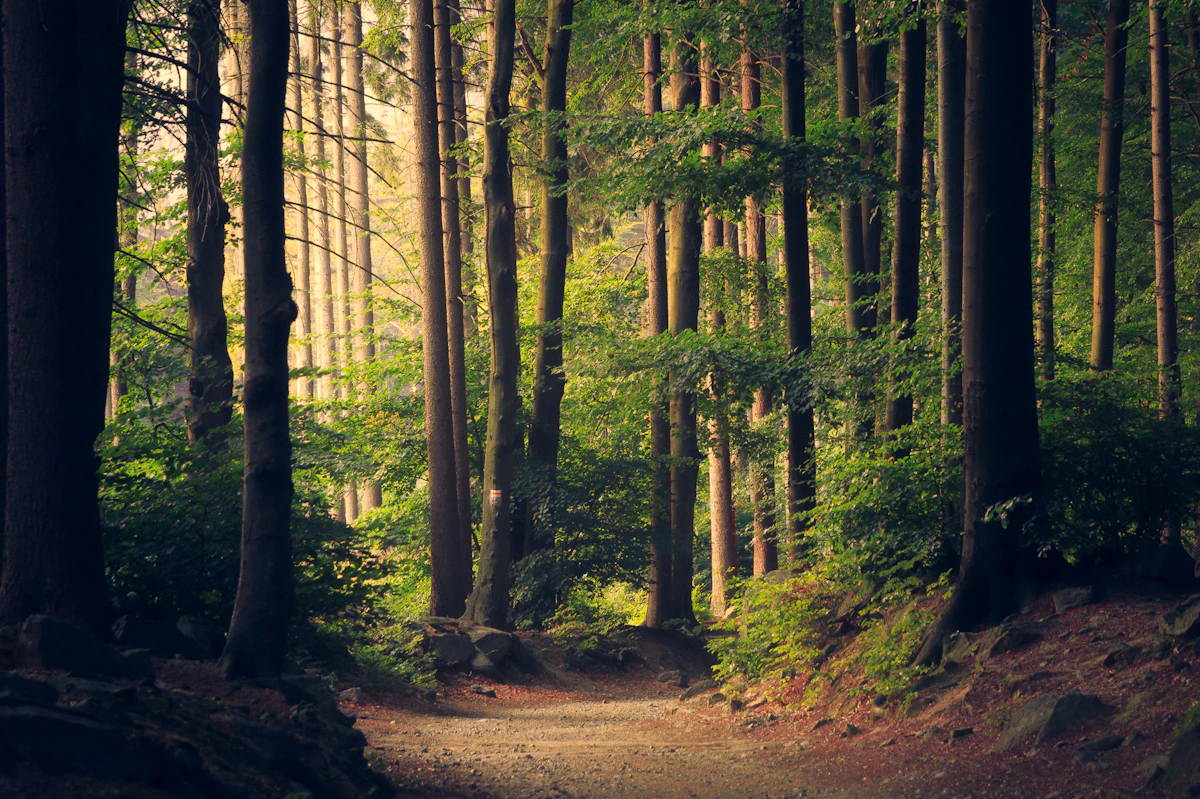
Photo: Aaron Burden / Unsplash
Solitude vs loneliness
Loneliness is involuntary isolation — the painful gap between the connection we have and the connection we need. Solitude is voluntary. It is chosen time alone, in which you are free from the effort of managing another person's impression of you.
In solitude, you can think without performing. Breathe without explaining. Rest without guilt. You are not waiting for someone to call or worrying that no one will. You are, for a few hours or a day, enough as you are.
Loneliness is isolation imposed. Solitude is sanctuary chosen. The same empty room can be either — the difference is internal permission.
Why we need it
Solitude is a baseline human need, not a luxury. In it, the mind consolidates learning, the nervous system downshifts from alert to rest, and the self — constantly bent to accommodate others' needs — returns to its own shape. People who deny themselves solitude become irritable, scattered, and harder to be around, even though they are seeking more connection.
No amount of socialising can replace the restoration of solitude. A person who attends a party, says the right things, and laughs at the right moments is still performing — even at a loving gathering. Solitude is the only time the performance stops.
Everyday example You come home from a day of work exhausted. You do not want company, advice, or conversation. What you need is an hour alone — reading, or walking, or sitting in silence. Afterwards, you can be present for the people you love.


The cultural resistance to solitude
Modern culture treats solitude as failure — a sign that something is wrong, that you have no friends, that you are not interesting enough to attract company. Social media promises connection but delivers a constant hum of external noise. Being alone has become something to solve rather than something to savour.
Yet some of humanity's greatest work — art, writing, science, spiritual insight — was born in solitude. Not isolation, but deliberate, protected time when one person could follow a single thought until it became something worth sharing. The rush to fill every moment with others robs us of this possibility.
What narrative did you inherit about being alone? Is solitude something you can claim as restorative, or does it feel like abandonment?
Claiming solitude in a crowded world
Solitude does not happen by accident in a connected world. It requires boundaries — a time, a place, a decision that for these hours, you are unavailable. A phone turned off. A door closed. A walk with no company.
Start small. An hour a week is enough to begin feeling the difference. Morning coffee before anyone else is awake. An evening walk. A full day off, where you answer to no one. The key is regularity — the same way exercise works better as a repeated practice than as a once-off effort, solitude works best when it is habitual, not emergency-only.
Solitude is not selfish. It is maintenance. You cannot pour from an empty cup — and you cannot fill it in a room full of people.


What to do with solitude
Solitude can be used in many ways. Some people need it for thinking — working through a problem, making a decision, imagining something new. Some need it for rest — sleep, or reading, or simply sitting without agenda. Some need it for creativity — writing, making music, building something.
There is no correct use of solitude. The only wrong use is to fill it with distractions that keep you from yourself — scrolling, streaming, staying busy. The whole point is that there is no audience, no performance, no deadline. The time is yours to do with as your mind and body need.
When you last had true solitude — time alone without guilt, without trying to be productive — what did you do with it? How did you feel afterwards?
Solitude makes better connection
A paradox: people who protect their solitude are better partners, friends, and colleagues. They arrive in relationships less needy, less defensive, less prone to exhaustion. They listen more. They are more patient. They do not unconsciously demand that time with others fix what only time alone can heal.
Solitude also teaches you who you are apart from what others need or expect of you. When you know yourself, you can show up more honestly. You stop apologizing for your pace, your interests, your silences. You stop trying to be interesting enough, valuable enough, enough enough. You just are enough.
The most generous thing you can do for those you love is to not need them to complete you. Solitude teaches self-completion.
