

Gratitude·the practice of noticing what is already good
Gratitude is not a feeling that descends on you. It is a choice you make repeatedly — to turn attention toward what sustains you, what holds you, what has not been taken away. Information only, not professional advice.
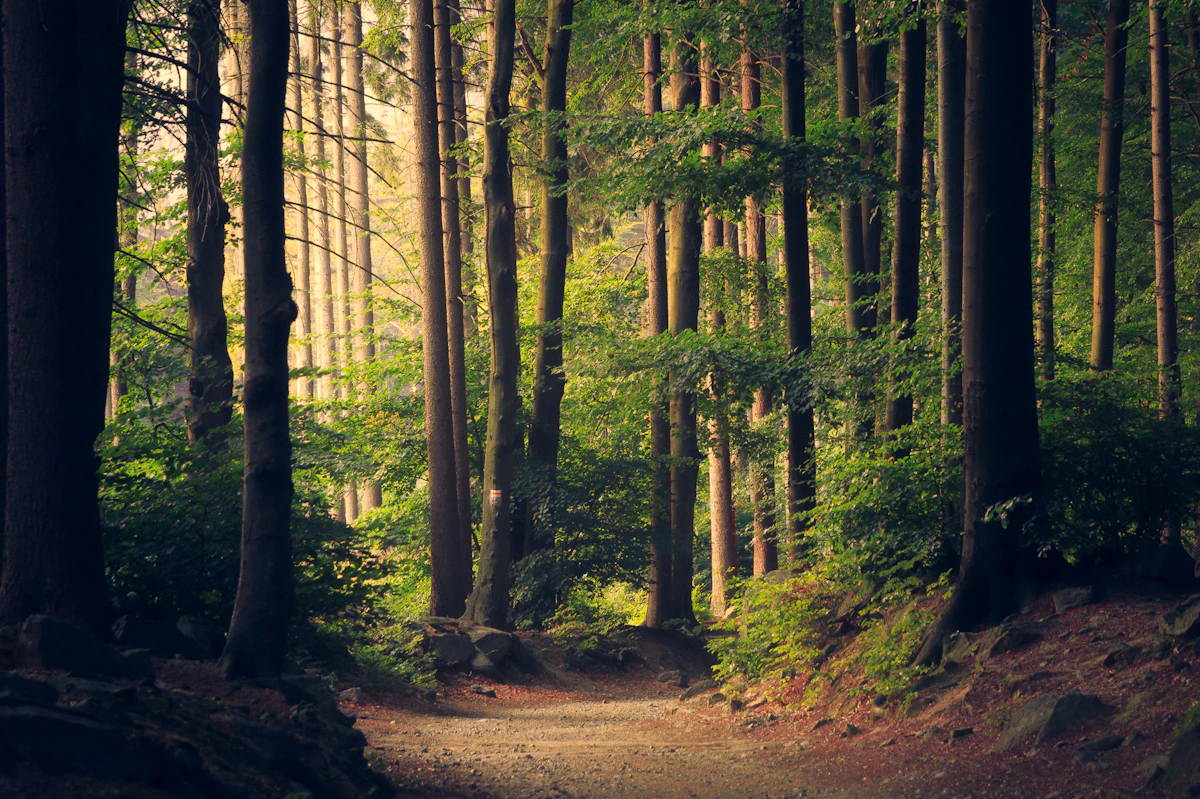
Photo: Wenniel Lun / Unsplash
The practice of noticing
Gratitude is not naïve positivity. It is not pretending hardship does not exist. It is the deliberate, repeated turn of attention toward what is working — the person who answered the phone, the glass of water within reach, the breath that came when you asked for it, the friend who showed up.
Most of what sustains us passes unnoticed. We walk through rooms lit by electricity and forget the grid behind it. We speak on devices built by thousands and attribute nothing. We eat food from a network of soil and sun and labour and remain unmoved. Gratitude is the practice of breaking that oblivion — noticing the architecture of gift that holds every ordinary day.
Gratitude reshapes the map. The same day becomes unrecognisable when you notice what has been given, rather than only what has been withheld.
How it changes what you see
The brain is built to notice what is missing, broken, or dangerous. That made sense when danger was constant — a predator in the grass, a stranger approaching. Now the same mind scan for faults and threats in situations where most things are actually fine.
Gratitude is the deliberate reset of that dial. It does not deny the broken thing; it moves the spotlight away from it temporarily, toward what is whole. A mind that has trained itself to notice what works begins to feel different — not happy in the shallow sense, but steady. More capable. More able to sleep. More willing to try again after falling.
Everyday example You wake with a complaint about the weather. Then you notice the roof did not leak, the heat came on, the coffee brewed. Not changed circumstances — changed attention. The day becomes slightly different because what you are noticing about it is different.


Gratitude in hard times
Gratitude is often misunderstood as being fine with what hurt you. That is not it. Gratitude in hard times is finding what did not break — the person who called while you were drowning, the capability you discovered, the knowledge now embedded. The grief and the gratitude can coexist.
In fact, the people who recover most fully from deep hardship often report gratitude as part of the recovery — not for the suffering, but for what the suffering revealed. For the strength they did not know they had. For the real friends it separated from the convenient ones. Gratitude is not denial of loss; it is the refusal to be entirely consumed by it.
Is there something hard you have moved through? What did you learn about yourself or others that you would not have known otherwise?
What gratitude does to you
Gratitude is not a luxury. It has measurable effects: lower blood pressure, better sleep, less chronic pain, faster wound healing, stronger immune response. These are not metaphorical; they are physiological. The mind that practises gratitude is literally in a different state — calmer, more resilient, less reactive.
This is partly because gratitude activates the parasympathetic nervous system — the part of you that can rest, digest, heal, and think clearly. When you are scanning for threat, you are in fight-or-flight. When you notice what you have, you downshift into a state where your body can actually do the repair it has been postponing.
Gratitude is not a feeling you generate. It is a practice that shifts your nervous system and then, as a by-product, the feeling arrives.

Naming it aloud
Gratitude that is only internal is still real, but gratitude that is spoken aloud has a different force. It names what the other person did, makes it visible, gives them permission to have mattered. Most people walk through life unsure if they have made any difference. When you name what they did for you, you answer that question.
You do not need big words or a special occasion. "I was thinking about how you called that day" is enough. "This bread you made is still keeping me going" is enough. Simple statements that say: I saw what you did, and it counted. In a world that often moves too fast to notice, this is a kind of blessing.
Everyday example Text a person you have not thanked yet for something small — a ride given a year ago, a meal made, a time they listened. Watch what happens. Most people have been waiting for someone to notice.
Gratitude as a practice, not a feeling
Gratitude begins when you decide to notice. Not when you feel like it. Not when circumstances are ideal. But as a daily practice, the way you might wash your hands or drink water — a small, repeated act that maintains your relationship to reality.
Start small. Three things each morning or evening — real things you noticed, not philosophical abstractions. A hand that held yours. Clothes that fit. Food in the pantry. Rain that watered what was dry. The practice itself is what matters; the feeling follows. And over months and years, a life that was always surrounded by gift becomes visible as such — not because the gifts changed, but because you learned to see.
What is one thing you have not noticed today that has already supported you? Bring it to mind. That simple turn of attention is all gratitude asks.
