
Education·keep growing
Curiosity, teaching others, and widening access — Information only, not professional advice.
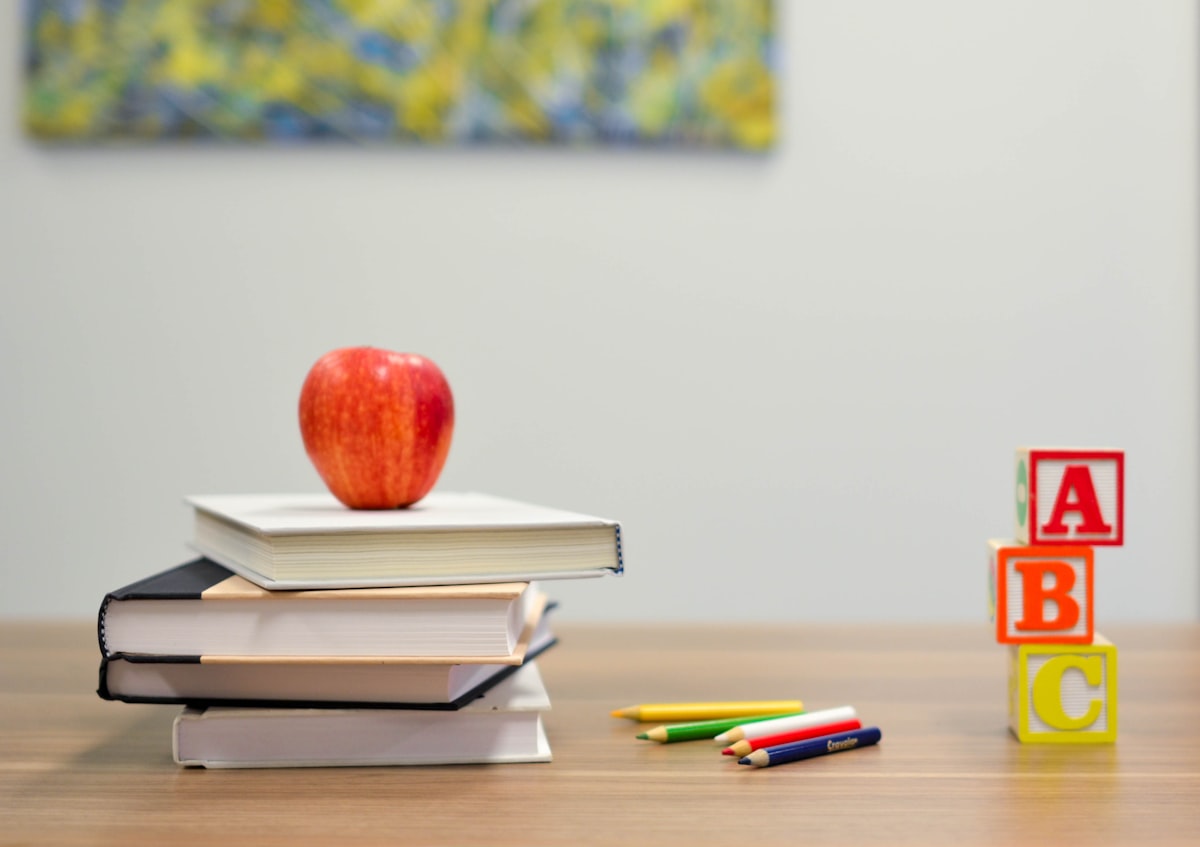
Photo: JESHOOTS.com / Unsplash

Books and ideas
Reading — on paper or screen — still carries voices across centuries. Choose widely: history, fiction, science, poetry. Let disagreement sharpen you without closing your ears.

Early basics matter
Reading, listening, speaking, and simple number confidence are the building blocks for later learning. Progress often improves when children get routines they can rely on, clear encouragement, and time to practice at their own pace.
Teaching others
When you help a child with homework, train a colleague, or post a clear explanation online, you participate in education. Patience and accuracy matter as much as enthusiasm.

School-curriculum V home-curriculum
School curriculum gives structure, peer learning, and broad subject coverage. Home curriculum can add flexibility, one-to-one attention, and practical life skills. For many families, the healthiest approach is not either/or, but using home support to strengthen school learning and to fill individual gaps gently.
| Age | Learning Topic | Description |
|---|---|---|
| 0-5 | Maths | appropriate learning for age |
| 7-11 | History | appropriate learning for age |
| 12-15 | Sport | appropriate learning for age |
| 12-15 | Religion | appropriate learning for age |

Staying curious
The world remains larger than any syllabus. Ask questions, visit museums, look at stars, listen to experts outside your bubble — wonder is renewable fuel.